COVID-19 and Virus Disinfection
Following an outbreak, virus disinfection covers residential properties, offices and shared areas.
See covid-19 and virus disinfectionGet infectious disease cleanup for a home, office, school, rental or shared space in Fitzhugh Place. The process covers cleaning, EPA-registered disinfectants, label contact time and a final check of treated surfaces.
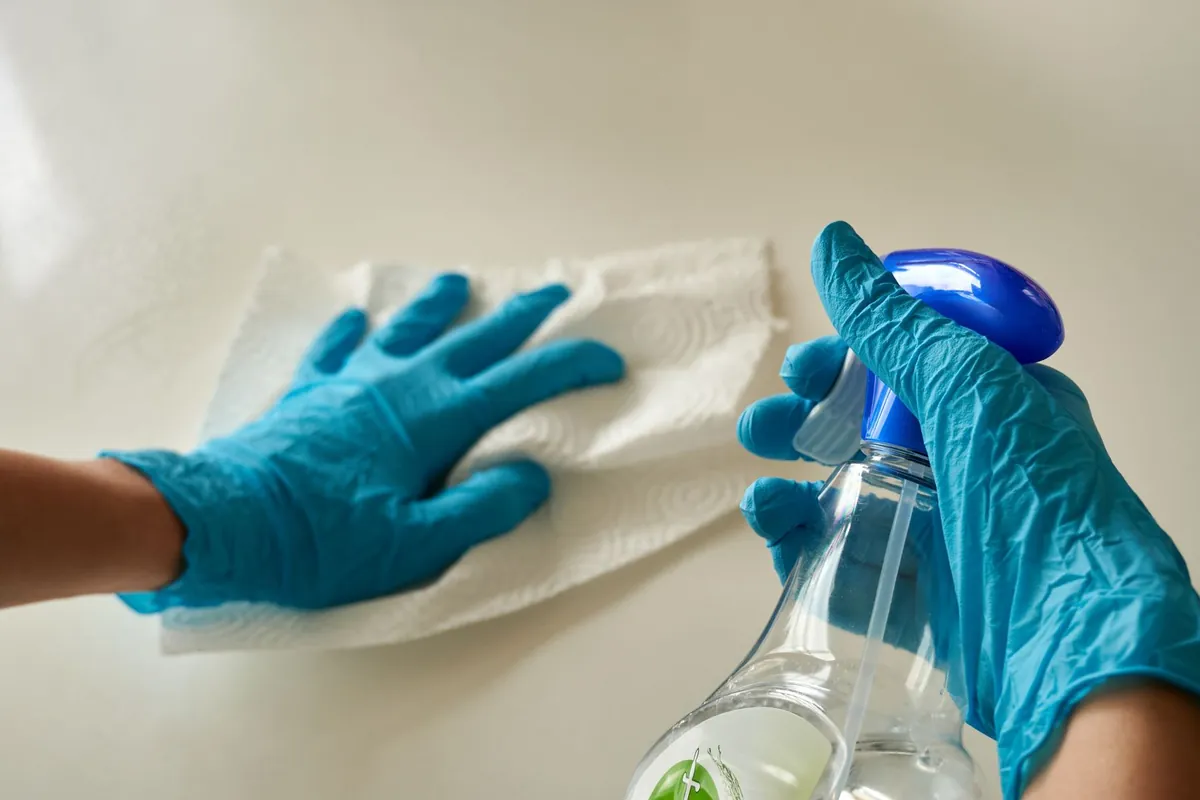
Infectious disease cleanup is the planned disinfection and cleaning of areas that may contain a disease-causing germ, including a bacterium or virus. It addresses the area involved as well as frequently touched items and nearby surfaces.
The use of the room, the possible contaminant and the compatibility of each material guide the cleaning plan. Any visible soil comes off before disinfection. An EPA-registered disinfectant is applied next, following all label directions. For the product to work as directed, treated surfaces need to remain wet during the entire contact time shown on that label.
This type of service applies in many places, including a home, office, rental property, school, restaurant, healthcare environment or shared vehicle. Its scope responds to a confirmed or suspected disease concern, rather than routine cleaning needs. Contamination involving blood or bodily fluids, as well as hazardous materials, is a different form of biohazard remediation that may involve taking out materials, disposing of waste and using additional protective equipment.
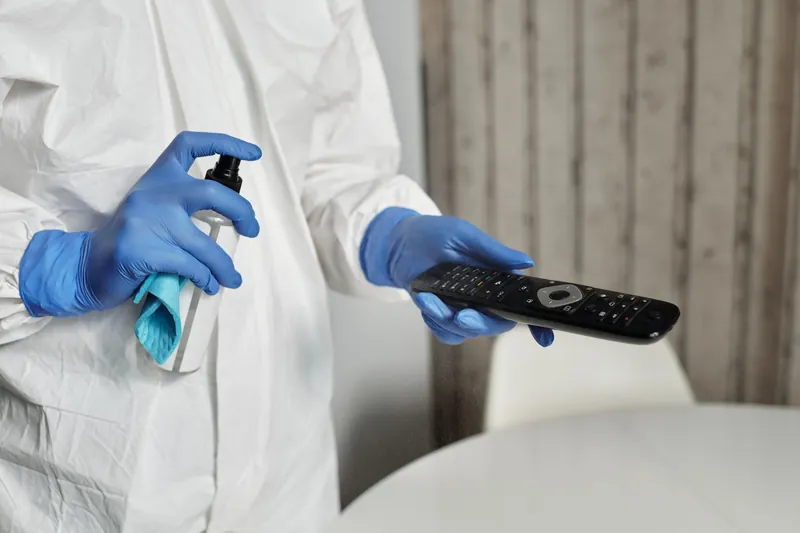
The explanation needs to address product selection, dilution, surface safety and contact time, while making clear that spraying quickly is not enough.
You should receive details on each stage, all covered surfaces, objects and rooms, and anything excluded from the work.
For privacy, crews can arrive in unmarked vehicles, remain inside affected areas and avoid drawing notice while you move forward.
Before cleanup starts, you can point out delicate belongings and decide what can be moved, cleaned or not disturbed.
After a reported illness, possible exposure or contamination beyond the role of routine janitorial work, infectious disease cleaning may make sense. Situations commonly addressed include:
The scope is established for shared rooms and fixtures in schools, rental properties, offices and similar places.
When your household needs more help, focused cleaning covers bedrooms, bathrooms, kitchens and common living spaces.
Visible residue is removed first, and suitable surfaces are then disinfected in the rooms the ill person used.
Frequently touched places receive special attention while every surface is treated as its disinfectant label directs.
Your immediate priorities are stopping anyone from touching the affected space and telling technicians what occurred. Before they begin work:
Call (888) 440-9227Published cost guides list virus decontamination at $1,500 to $3,500 per job and infectious disease decontamination at $1,000 to $8,000 or $2,000 to $8,000 per job. Another biohazard cleanup cost guide lists infectious disease disinfection at $1,500 to $10,000 per job. Your price depends on the space, germ, surface count, air system work and whether testing is needed.
The figures shown are national ranges from published cost guides and are not based on an on-site visit. You learn what your property will cost after the on-site assessment and before any work begins.
Ask about cost: (888) 440-9227Coverage depends on the policy, the cause of the contamination and the property involved. Do not assume that routine disinfection or a preventive cleaning visit is covered. Ask your insurance company about the exact event before work begins when circumstances allow.
Your lease and the specific area involved may decide who bears responsibility. Read those documents before deciding who authorizes the work.
A commercial policy can address cleanup costs differently than homeowners insurance does. The decision depends on the loss cause and the language in your policy.
Insurance assistance may organize invoices, the work scope, suitable photos of the affected area and a treated-surface list for your claim records.
Ask whether contamination cleanup is covered, what deductible applies and whether the insurer needs photos, a scope or other records.
Remediation follows a plan based on the areas involved, the germ of concern and directions on the disinfectant label. Steps progress with a clear purpose from limiting access through reviewing the finished scope.
Cleanup involves identifying the rooms, high-touch surfaces, sensitive materials and any bodily fluids or waste that may change the work plan.
A controlled entry and an established clean-to-dirty route keep tools and foot traffic from affecting nearby areas.
Gloves and other protective equipment are selected for the product, task and exposure described in the scope.
Methods appropriate to the material remove dirt, dust and residue you can see prior to disinfection.
An EPA-registered disinfectant is applied to compatible surfaces at the label dilution and kept wet for the full contact time.
Instead of relying only on a broad mist, treatment carefully covers counters, shared equipment, door hardware, switches and restroom fixtures.
Tools kept for reuse undergo cleaning, while disposable items are contained and hazardous waste is isolated for proper disposal.
The entire process ends with completed areas checked against the scope, and you receive a clear record of the rooms and surfaces treated.
You can call anytime. You speak with an infectious disease disinfection specialist who outlines the process and schedules a start time with you.
The biggest concerns are contamination exposure, improper use of a product and surfaces being missed where people make contact. A thorough process reduces these risks with more than a brief spray.
A contaminated shoe, glove, cloth or tool can transfer material onto another surface. That risk decreases with a clearly marked workspace and controlled movement through it.
Avoidable contact with contaminated materials presents serious health risks, and the material can block disinfectant from reaching germs. First remove material you can see, then apply the proper product and observe the complete contact period.
Risks increase when products are overused, chemicals are mixed or ventilation guidance is not observed. Dilution, application and safety measures must follow the product label.
Can you clean it yourself? When no exposure is known and neither hazardous waste nor bodily fluid is present, normal cleaning may suffice. When multiple rooms are involved, someone vulnerable occupies the property or the affected area has unclear limits, professional cleanup offers you a consistent process with documentation.
How long cleanup takes depends on area size, surface count, disinfectant contact time and whether sections can be treated separately. The site must first be assessed to establish a schedule you can rely on.
| Scene | Typical time on site |
|---|---|
| Focused area in a home | Frequently finished during a single work period |
| Several affected spaces or a shared work setting | May be completed through planned sections or one longer session |
| Large properties with many surface types | Can require more than one arranged work period |
Odor treatment is not an automatic part of infectious disease disinfection. If a smell continues, its cause could be an animal, bodily fluids, moisture, sewage, spoiled food or another source requiring separate cleanup. Simply covering an odor fails to eliminate the cause. Cleaning and disinfection cannot be replaced with fragrance.
What occurred in the space guides any air quality measures. Wiping surfaces, ventilating rooms and treating the air system are distinct tasks. Methods involving HVAC parts or treatment of the air need to be suitable for the building and its instructions for occupied spaces. Neither fogging nor spraying replaces detailed high-touch cleaning, full disinfectant coverage or compliance with label contact time.
Requirements apply under OSHA Bloodborne Pathogens Standard 29 CFR 1910.1030 when employees can encounter blood or potentially infectious materials.
On compatible materials, apply the product as its EPA label states for mixing, method and the entire contact time.
Oklahoma treats soaked materials from a biohazard scene as regulated medical waste. Rules from the Department of Environmental Quality's Land Protection Division control how it is processed and treated, so it cannot go in household trash. Because everyday cleanup waste and regulated medical waste can require different disposal methods, determine the material type before proceeding.
Additional cleaning procedures may apply in schools, healthcare environments, food spaces and other facilities. The plan still needs to incorporate your site's requirements and up-to-date public health instructions.
The full infectious disease disinfection guide covers what is cleaned or removed, odor and air quality work, and the rules that apply in Oklahoma County.
Read the full infectious disease disinfection guide
Local housing, population and access details can shape containment, access and cleanup planning.
A listed distance of 1.4 miles to O U Medical Center gives a practical medical reference when someone has contacted blood or waste.
Fitzhugh Place is near team, Downing, and Johnstons, which can matter when family members are arriving from surrounding communities.
Properties within this Oklahoma City neighborhood may share alleys, entries, or parking, so equipment movement should be planned around nearby residents.
Medical questions belong with a clinician, while surface disinfection follows label directions, including the required wet contact time.
You can ask about cleanup in nearby communities and ZIP codes during the call.
Following an outbreak, virus disinfection covers residential properties, offices and shared areas.
See covid-19 and virus disinfection
MRSA, norovirus and C. diff cleanup covers care settings, fitness facilities and homes.
See mrsa, c. diff and norovirus cleanup
Full decontamination of rooms, surfaces and air after infectious or hazardous exposure.
See biohazard decontamination
Contamination is cleared through biological remediation, returning the space to safe use.
See biohazard remediation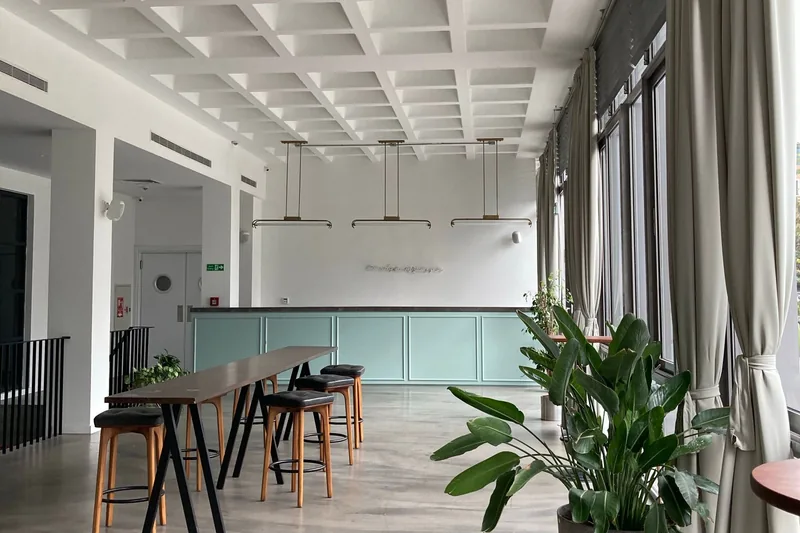
Commercial and industrial biohazard cleanup planned around site access and operating needs.
See commercial and industrial biohazard cleanup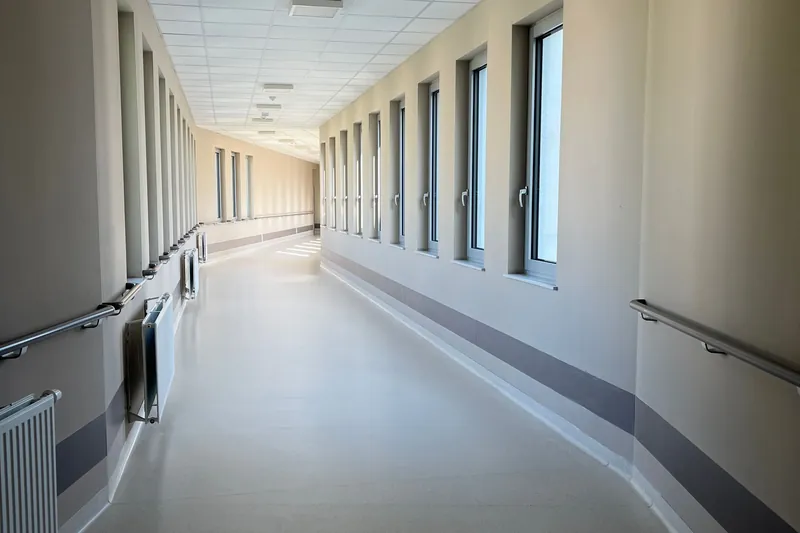
Biohazard cleanup addresses care homes, medical clinics and healthcare settings.
See hospital and healthcare biohazard cleanup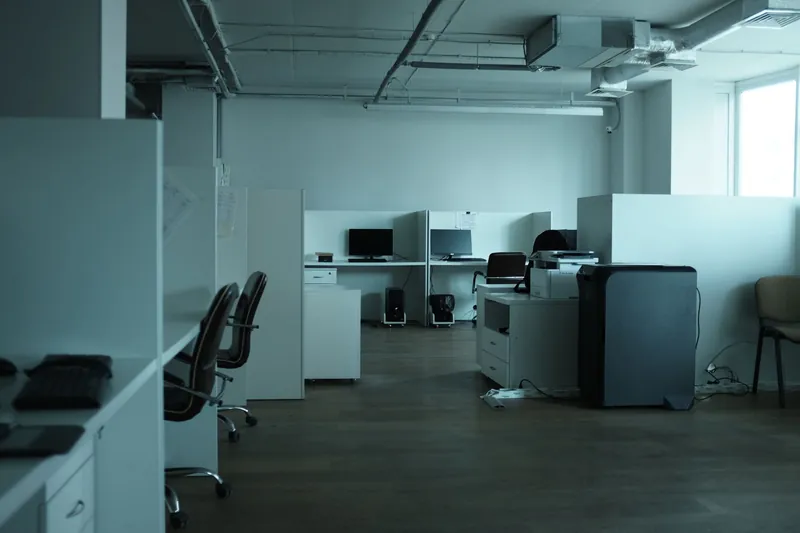
Office and workplace biohazard cleanup after injuries or exposures.
See office and workplace biohazard cleanup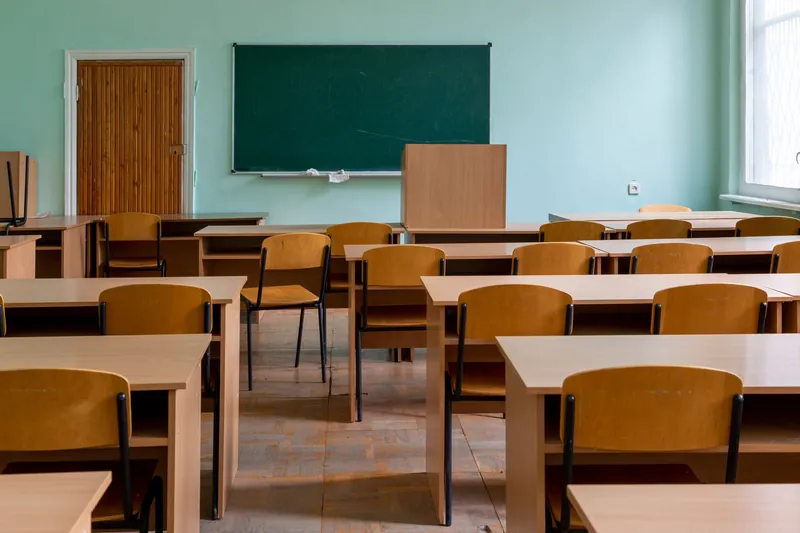
School and daycare biohazard cleanup outside of class hours.
See school and daycare biohazard cleanupAfter cleaning away noticeable residue and dirt, disinfect often-touched surfaces that tolerate an EPA-registered product. The label states how to apply the product, ventilate the area, choose protective gear and keep surfaces wet. Secure disposable items, clean reusable equipment as directed and keep used gloves or cloths out of surrounding areas.
One environmental step cannot suit each setting and every disease. Personal hygiene and protective equipment may matter, along with ventilation, advised separation from other people, and suitable cleaning and disinfection. Follow current guidance for the specific illness. When working on surfaces, it is essential to clean before disinfection and follow the label's required contact time.
For the environment, a practical sequence restricts entry, removes soil and disinfects surfaces that tolerate the product. Other infection control measures include using protective equipment, maintaining personal hygiene and observing current health advice. Because the suspected germ and location shape the exact measures, healthcare facilities may follow protocols unlike those for restaurants, homes or offices.
First determine whether the wood is sealed, unfinished or covered by another finish. Use only a cleaner and EPA-registered disinfectant that are compatible with that surface, and follow the label. When suitable, try the product on a concealed small spot. Porous wood that is unfinished or damaged can require another approach than furniture with a sealed surface.
A clear scope needs to list bathrooms, staff areas, customer spaces and frequently touched locations. Surfaces used with food require suitable products and the proper steps afterward. Soil is cleaned away before disinfecting, and every product stays on the surface for the complete contact period on its label. You must still follow up-to-date public health and food-safety guidance.
Alcohol appears in some registered disinfectants, but you cannot determine suitability for a germ or surface from an ingredient name alone. Use a product whose label covers the intended use, and follow its directions and contact time. For disinfection, never depend on alcohol meant for drinking, home recipes or products kept without labels.
You can request respectful, discreet infectious disease disinfection 24 hours a day, and crews use unmarked vehicles.